Where to See the Big Five: Your Complete Safari Guide
The term "Big Five" doesn't refer to size, but rather to the five most difficult animals to hunt on foot in Africa. Today, these magnificent creatures—lion, leopard, elephant, rhinoceros, and Cape buffalo—are the most sought-after sightings on any African safari. Whether you're planning your first wildlife adventure or you're a seasoned safari enthusiast, knowing where to find What Are the Big Five Animals?
Before we dive into locations, let's understand what makes each of these animals so special:
African Lion - The king of the jungle, these powerful predators are social cats living in prides of up to 30 individuals.
African Leopard - The most elusive of the Big Five, leopards are solitary, nocturnal hunters known for their stunning spotted coats and incredible tree-climbing abilities.
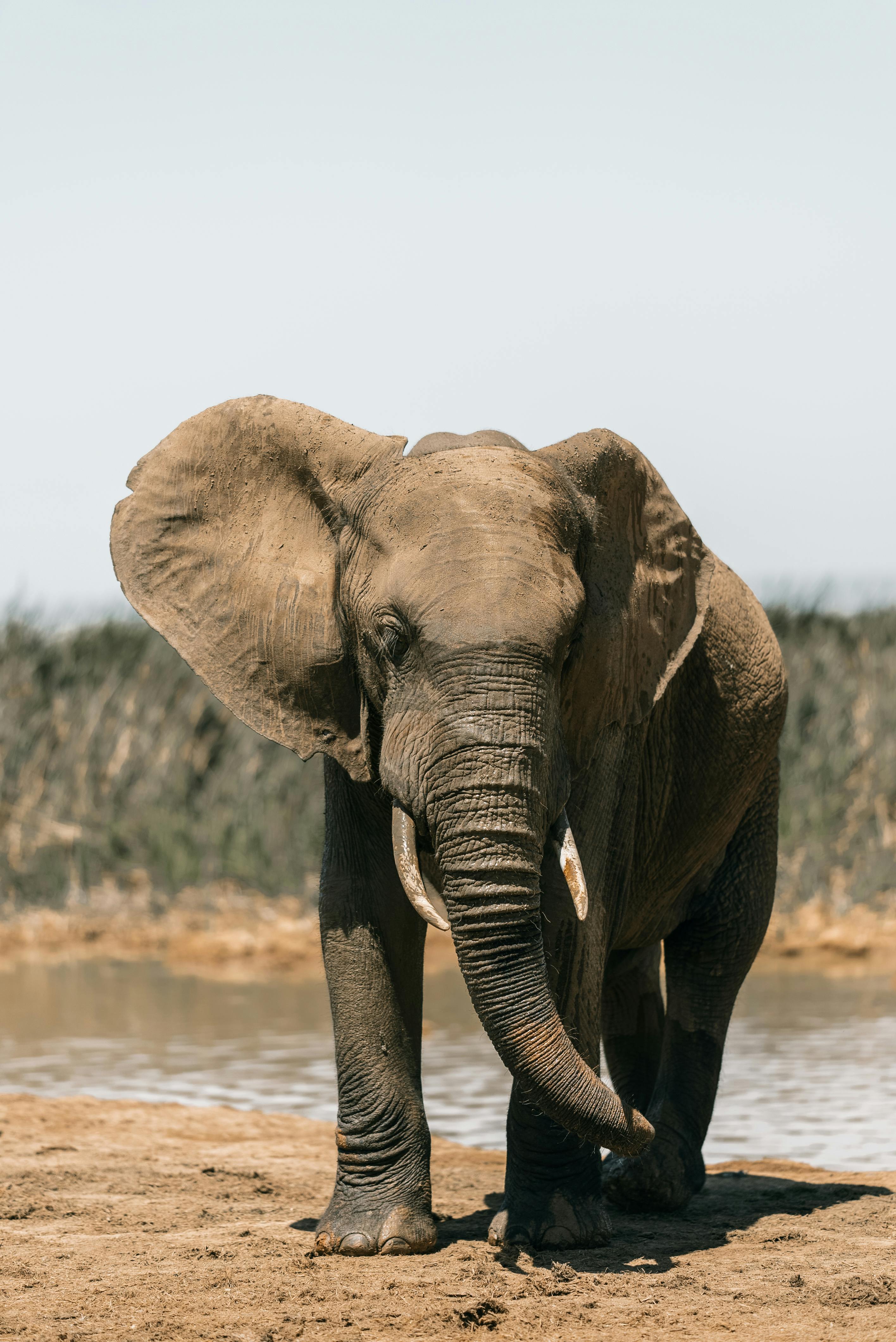
African Elephant - The largest land mammal on Earth, elephants are highly intelligent and social creatures that can live up to 70 years.
Rhinoceros - Both black and white rhino species count toward the Big Five. These prehistoric-looking giants are critically endangered, making sightings particularly precious.
Cape Buffalo - Often considered the most dangerous of the Big Five, these unpredictable bovines travel in large herds and have few natural predators besides lions.
Top Destinations to See the Big Five in Kenya
1. Masai Mara National Reserve
The Masai Mara is arguably Kenya's premier Big Five destination and one of Africa's most famous wildlife areas. This vast savannah ecosystem offers excellent year-round game viewing, with the highest concentration of wildlife during the Great Migration (July to October).
Why visit: Exceptional lion sightings, good leopard populations, and you can see all Big Five in a single day during peak season. The open grasslands make wildlife spotting easier than in denser bush.
Best time: June to October for the migration, though the Mara offers excellent Big Five viewing throughout the year.
2. Amboseli National Park
Located at the foot of Mount Kilimanjaro, Amboseli is famous for its large elephant herds—some of the biggest tuskers in Africa roam here. The park offers incredible photographic opportunities with elephants set against Africa's highest peak.
Why visit: Best elephant viewing in Kenya, good lion populations, and occasional leopard sightings. Black rhinos have been reintroduced to the park.
Best time: June to October and January to February during dry seasons.
3. Tsavo East and Tsavo West National Parks
Together forming one of the world's largest national parks, Tsavo is known for its red elephants (they dust-bathe in red soil), dramatic landscapes, and excellent Big Five viewing opportunities.
Why visit: Large elephant populations, good numbers of lions (including the famous maneless Tsavo lions), leopards, buffaloes, and reintroduced rhinos.
Best time: June to September.
4. Lake Nakuru National Park
This compact park punches above its weight for Big Five sightings. Lake Nakuru is a rhino sanctuary and offers some of the best chances to see both black and white rhinos in Kenya.
Why visit: Excellent rhino viewing, tree-climbing lions, leopards, buffaloes, and the recently reintroduced elephant population. The smaller size increases chances of multiple sightings.
Best time: Year-round, though June to March is optimal.
5. Ol Pejeta Conservancy
A private conservancy in Laikipia, Ol Pejeta is home to the largest black rhino sanctuary in East Africa and houses the last two northern white rhinos on Earth.
Why visit: Guaranteed rhino sightings, excellent conservation programs, night game drives, and all Big Five present. The conservancy also offers walking safaris.
Best time: Year-round destination.
Other Premier Big Five Destinations in Africa
South Africa
Kruger National Park - One of Africa's largest game reserves, Kruger offers self-drive safaris and excellent Big Five viewing opportunities. The park has the highest biodiversity on the continent.
Private Game Reserves (Sabi Sands, Timbavati, Mala Mala) - These exclusive reserves adjoining Kruger offer luxury lodges, off-road driving, and some of the best leopard viewing in Africa.
Tanzania
Serengeti National Park - Famous for the annual wildebeest migration, the Serengeti offers outstanding Big Five encounters across its vast plains.
Ngorongoro Crater - This UNESCO World Heritage Site is one of the best places in Africa to see black rhinos, with all Big Five present in the crater.
Botswana
Okavango Delta - This unique inland delta offers water-based safaris and excellent Big Five viewing, particularly during the dry season when animals concentrate around water sources.
Chobe National Park - Known for having the largest elephant concentration in Africa, with over 50,000 elephants.
Zimbabwe
Hwange National Park - Zimbabwe's largest park offers excellent Big Five viewing, particularly during the dry season when animals gather at waterholes.
Namibia
Etosha National Park - Famous for its salt pan and waterholes where you can watch wildlife come to drink, Etosha offers good Big Five viewing, especially elephants and lions.
Tips for Maximizing Your Big Five Safari Experience
1. Choose the Right Season - Dry seasons generally offer better wildlife viewing as animals congregate around water sources and vegetation is thinner.
2. Stay Multiple Days - The longer you stay, the better your chances of seeing all Big Five. Plan at least 3-5 days in a single location.
3. Go on Multiple Game Drives - Early morning and late afternoon drives offer the best wildlife viewing when animals are most active.
4. Hire an Experienced Guide - Knowledgeable guides know animal behavior and tracking, dramatically increasing your sighting chances.
5. Be Patient - Wildlife viewing requires patience. Some animals, particularly leopards and rhinos, can be elusive.
6. Consider Private Conservancies - Private reserves often offer better Big Five viewing due to lower vehicle numbers, off-road driving privileges, and night drives.
7. Don't Focus Exclusively on the Big Five - While these animals are magnificent, Africa's biodiversity includes hundreds of other fascinating species worth your attention.
What to Pack for Your Big Five Safari
- Neutral-colored clothing (khaki, olive, brown)
- Binoculars for distant sightings
- Quality camera with telephoto lens
- Sunscreen, hat, and sunglasses
- Insect repellent
- Light layers for early morning drives
- Field guide or wildlife identification app
Conservation Considerations
Many Big Five populations, particularly rhinos and elephants, face serious threats from poaching and habitat loss. By choosing responsible safari operators and parks that invest in conservation, you directly support wildlife protection efforts. Consider visiting community-owned conservancies that benefit local people while protecting wildlife.
Planning Your Big Five Safari
Whether you choose the sweeping savannahs of Kenya's Masai Mara, the elephant-rich landscapes of Amboseli, or the diverse ecosystems of South Africa's Kruger, seeing the Big Five in their natural habitat is a bucket-list experience that few ever forget. Start planning early, choose reputable operators, and prepare for the adventure of a lifetime.
The Big Five represent the crown jewels of African wildlife, and witnessing these magnificent creatures in the wild is an unforgettable privilege that connects us to nature in its most raw and beautiful form.
Ready to start your Big Five adventure? Contact Sublime Safari through www.sublimesafaris.com or call +254110090711 today to begin planning your journey to see Africa's most iconic wildlife.
Share This Story
