When Is the Best Time to See the Great Migration in the Masai Mara National Reserve?
If witnessing one of the world’s most spectacular wildlife events is on your bucket list, timing your visit to Masai Mara National Reserve is everything. The Great Migration—often called the “World Cup of Wildlife”—is a year-round natural phenomenon, but certain months deliver the most dramatic, once-in-a-lifetime moments.
This SEO travel guide dives deeper into when, where, and how to experience the migration for the best possible safari adventure.
🌍 What Is the Great Migration?
The Great Migration is a continuous, circular movement of over 1.5 million wildebeest, accompanied by zebras and gazelles, between Serengeti National Park and the Masai Mara. It is driven by rainfall patterns, which determine where fresh grass grows.
This movement isn’t just about travel—it’s about survival. Along the way, animals face predators, exhaustion, and dangerous terrain, making every stage of the journey unique and dramatic.
🗓️ Best Time to Visit: July to October (Peak Season)
The best time to see the Great Migration in Kenya is between July and October, when the herds arrive in the Masai Mara.
What makes this period unforgettable:
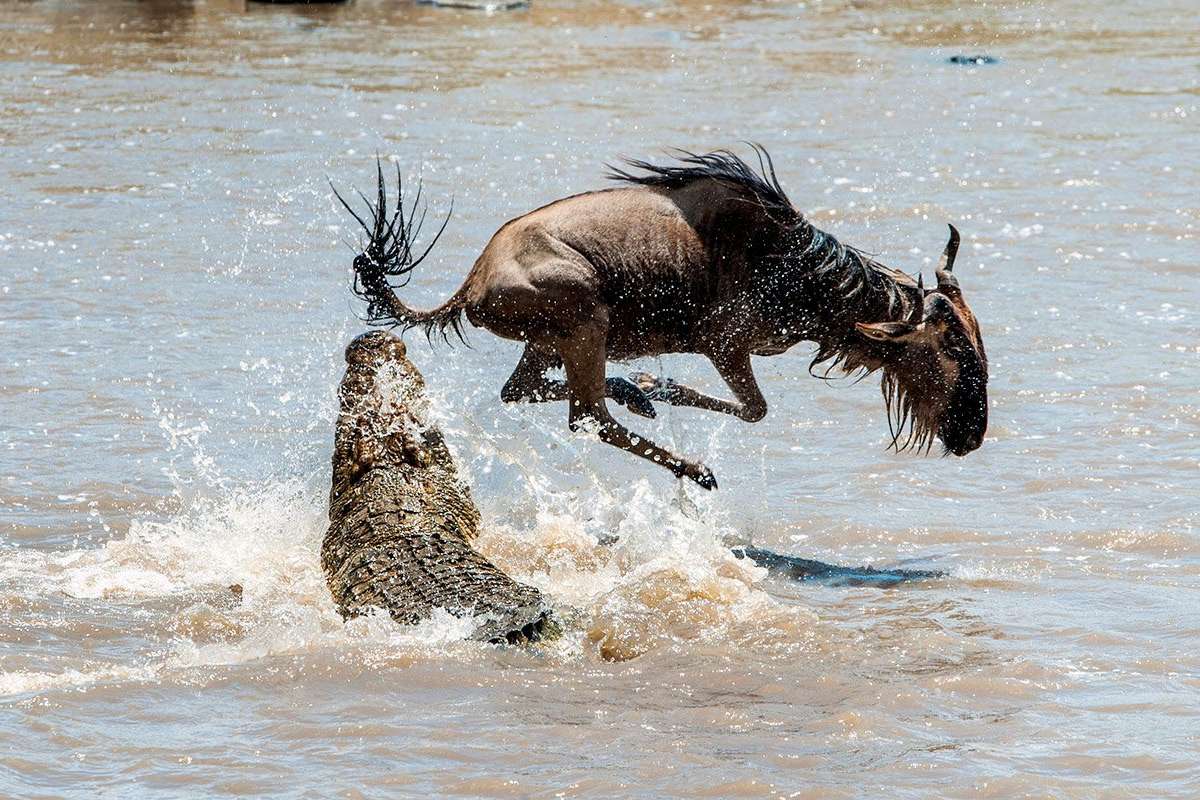
- River crossings at the Mara River – The most iconic and heart-stopping moments of the migration.
- Massive herds – Endless plains filled with wildebeest and zebras.
- Predator-prey drama – Big cats and crocodiles take advantage of the movement.
- Perfect safari conditions – Dry weather makes wildlife easier to spot.
📍 Best Areas in the Masai Mara to Witness the Migration
Not all parts of the reserve offer the same experience. To maximize your chances:
- Mara Triangle – Known for fewer crowds and excellent river crossing points.
- Talek Region – Popular for high wildlife density and accessible lodges.
- Northern Conservancies – Private conservancies offer exclusive, less crowded game drives.
Choosing the right location can significantly improve your chances of seeing dramatic crossings and predator action.
🌿 A Deeper Look at the Migration Cycle
Understanding the full migration cycle helps you appreciate why timing matters:
- December to March: Herds gather in the southern Serengeti for calving season.
- April to June: They begin moving north as rains end.
- July to October: Arrival in the Masai Mara—peak viewing season.
- November: Return journey south begins.
Each phase offers something different, from newborn wildlife to high-stakes survival scenes.
🦁 Wildlife You’ll See Beyond the Migration
While the migration is the highlight, Masai Mara National Reserve is home to abundant wildlife year-round:
- Lions, leopards, and cheetahs
- Elephants and buffalo
- Giraffes and hyenas
- Over 450 bird species
This makes the Masai Mara a top safari destination even outside migration months.
✈️ Plan Your Safari with Sublime Travel Limited
A successful safari isn’t just about timing—it’s about expert planning. Sublime Travel Limited offers curated safari experiences designed around the Great Migration.
Why choose them?
- Tailor-made itineraries aligned with migration patterns
- Experienced local guides who track wildlife movements daily
- Access to prime lodges and conservancies
- End-to-end travel coordination for a stress-free experience
Whether you want a luxury safari, mid-range adventure, or budget-friendly trip, they can customize it to suit your needs.
💡 Essential Travel Tips for the Great Migration
- Book 4–6 months in advance for peak season travel
- Stay at least 3–4 nights to increase your chances of seeing crossings
- Go on early morning and late afternoon game drives for the best sightings
- Carry a zoom lens camera for capturing distant wildlife action
- Be patient – river crossings are unpredictable but worth the wait
🌅 Why the Great Migration Should Be on Your Bucket List
Few wildlife experiences compare to the raw intensity of the Great Migration. The sound of hooves thundering across the plains, the tension before a river crossing, and the sight of predators in action create unforgettable memories.
Visiting Masai Mara National Reserve during migration season is more than a trip—it’s a front-row seat to nature’s greatest show.
🐘 Final Thoughts
The best time to see the Great Migration in the Masai Mara is undoubtedly July to October, when the drama, scale, and beauty of this natural event are at their peak.
For a seamless and unforgettable safari, partnering with experts like Sublime Travel Limited ensures you experience the migration at the right place and time.
Share This Story
