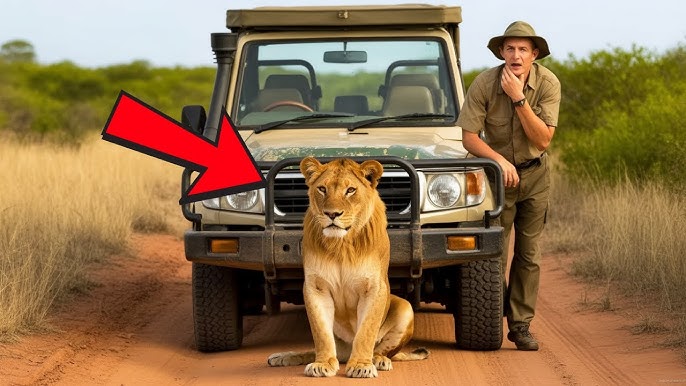
What to Do When an Animal Blocks Your Way on Safari: Essential Safety Guide
Encountering wildlife during a safari is the highlight of any African adventure. But what happens when that magnificent elephant, curious lion, or stubborn buffalo decides to stand directly in your path? This scenario is more common than you might think, and knowing how to respond can mean the difference between a memorable experience and a dangerous situation.
Stay Calm and Patient: Your First Line of Defense
When an animal blocks your safari vehicle's path, your immediate reaction should be to remain calm and stop moving. Animals blocking roads or trails are rarely being aggressive—they're simply going about their day. Whether it's an elephant crossing with its herd, a lion resting in the shade of the road, or a giraffe leisurely munching on roadside acacia trees, these animals have right of way in their natural habitat.
Key actions to take immediately:
The moment you notice an animal in your path, signal your driver to stop at a safe distance—typically 20 to 30 meters away, though this varies by species and situation. Turn off your engine if the animal seems settled, as this reduces noise and vibration that might agitate wildlife. Keep all voices to a whisper and avoid sudden movements that could startle the animal.
Never Honk, Flash Lights, or Try to Rush Past
One of the most critical rules when animals block your way is resisting the urge to hurry them along. Honking your horn, flashing headlights, or revving your engine might seem like harmless ways to encourage an animal to move, but these actions can provoke defensive or aggressive behavior.
Safari vehicles are generally recognized as non-threatening by wildlife because they appear as a single large entity rather than individual humans. Breaking this perception through noise or aggressive behavior can trigger a fight-or-flight response. An elephant feeling threatened might charge, a buffalo could become aggressive, and even herbivores like hippos—responsible for more human fatalities in Africa than any other large animal—can turn deadly when provoked.
Understand Animal Behavior and Body Language
Reading an animal's body language helps you assess whether to wait patiently or slowly back away. Elephants with relaxed ears and trunks are generally calm, while flared ears, raised trunk, and mock charges indicate agitation. Lions lying down are typically resting and disinterested, but those standing, staring intently, or crouching low may be evaluating your vehicle with unwanted interest.
Buffalo are notoriously unpredictable and dangerous. If a buffalo is staring directly at you with its head raised, maintaining your distance is crucial. Hippos out of water are particularly dangerous as they're trying to return to their aquatic safety zone and may perceive you as blocking their path.
Rhinos have poor eyesight and may approach your vehicle to investigate. If a rhino is snorting, pawing the ground, or pointing its horn toward you, it's feeling threatened. Back away slowly without sudden movements.
Give Animals the Space and Time They Need
Wildlife operates on its own schedule, not yours. An elephant herd crossing a road might take 15 minutes or more as mothers carefully guide their young, adolescents play, and the matriarch ensures everyone's safety. A pride of lions might rest on the warm tarmac for hours because the road retains heat from the day's sun.
Fighting against this natural rhythm is futile and dangerous. Instead, embrace these moments as opportunities for observation and photography. Some of the most memorable safari experiences come from unexpected delays where you watch natural behaviors unfold without the animal feeling pressured or threatened.
Know When to Back Away Slowly
Sometimes the safest option is creating more distance between yourself and the animal. If an animal shows signs of agitation, distress, or aggression, slowly and quietly back up your vehicle. Never make sudden movements or speed away, as rapid motion can trigger a chase response in predators.
Backing away is particularly important if you've inadvertently positioned yourself between a mother and her offspring, between an animal and its water source, or between an animal and perceived safety. These scenarios can escalate quickly regardless of species.
Trust Your Safari Guide's Expertise
Professional safari guides undergo extensive training in animal behavior, safety protocols, and reading environmental cues. If you're on a guided safari and your guide makes a decision—whether to wait, back up, or take an alternate route—trust their judgment. They're assessing factors you might not notice, including wind direction carrying your scent, subtle behavioral cues from the animal, and the broader context of what's happening in the area.
If you disagree with your guide's approach or feel your safety is being compromised, you can voice your concerns calmly, but remember that guides prioritize guest safety above all else and have far more experience in these situations than most tourists.
What About Self-Drive Safaris?
Self-drive safaris in parks like Kruger National Park in South Africa offer incredible freedom but come with added responsibility. When an animal blocks your path during a self-drive experience, follow the same principles of patience and respect, but also consider these additional factors.
Always carry a park map and know alternate routes. If an animal seems settled for the long term, another road might get you to your destination. Stay in your vehicle no matter how long you wait—this is both a safety rule and a legal requirement in most parks. Keep windows mostly closed, especially with dangerous animals like lions, elephants, and buffalo.
If you're alone and feel uncertain about a situation, wait for other vehicles to arrive. There's safety in numbers, and other tourists or passing guides can offer advice or assistance.
Special Considerations for Different Animals
Elephants: These intelligent giants usually move along fairly quickly, but breeding herds with babies need extra time and space. Never position yourself between elephants, as they're highly protective of their family units.
Big cats: Lions and leopards blocking roads are usually resting. They'll move when they're ready, which could be minutes or hours. Cheetahs are generally more skittish and often move away from vehicles more quickly.
Buffalo: Known as one of Africa's most dangerous animals, buffalo deserve serious respect. If a herd is crossing, wait patiently. Solitary bulls can be particularly aggressive and unpredictable.
Hippos: If you encounter a hippo on land, especially near water, give it an extremely wide berth. They can run surprisingly fast and are highly territorial and aggressive.
Rhinos: These animals may approach out of curiosity due to poor eyesight. Remain still and quiet, and they'll usually move on after investigating.
Creating a Safe Safari Experience for Everyone
Remember that your behavior on safari doesn't just affect your safety—it influences the animals' stress levels and behaviors, which in turn affects other visitors' experiences. Animals that become habituated to aggressive human behavior may become more dangerous over time or might avoid roads and viewing areas, diminishing everyone's wildlife encounters.
Following proper etiquette when animals block your path helps maintain the delicate balance between wildlife tourism and animal welfare. It ensures these creatures can go about their natural behaviors with minimal human interference while still allowing us the privilege of observing them.
Final Thoughts: Patience is More Than a Virtue on Safari
When an animal blocks your way on safari, view it as an opportunity rather than an obstacle. These unplanned encounters often become the most treasured memories of any safari experience. There's something magical about sitting quietly while a herd of elephants passes just meters from your vehicle, completely unconcerned by your presence, or watching lion cubs play in the road while their parents supervise.
The golden rule is simple: respect wildlife, maintain distance, stay patient, and never try to force an animal to move. These magnificent creatures were here long before we arrived and will hopefully remain long after we leave. The few minutes or even hours you might spend waiting for an animal to clear your path is a small price to pay for the incredible privilege of witnessing wildlife in their natural habitat.
By following these guidelines and maintaining a respectful, patient approach, you'll not only stay safe but also contribute to sustainable wildlife tourism that protects these amazing animals for generations to come. After all, on safari, the animals aren't blocking your way—you're a guest in their home, and they always have the right of way.
Share This Story
