Walking Safaris in Kenya: What You Should Know
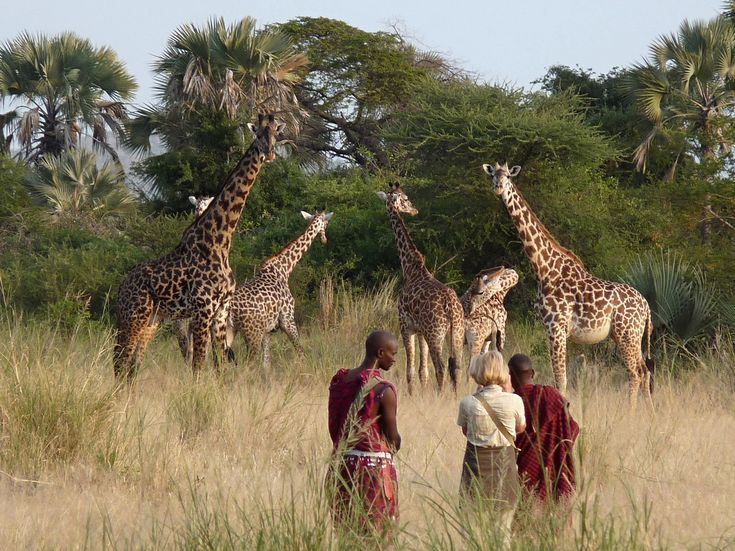
A walking safari offers one of the most immersive ways to experience Kenya’s wilderness. Unlike traditional game drives, walking safaris allow travelers to explore the landscape on foot, connecting with nature through sights, sounds, and scents that are often missed from a vehicle. From tracking wildlife footprints to learning about plants and insects, walking safaris reveal the smaller details that make Kenya’s ecosystems so fascinating.
For travelers looking for an authentic and intimate wildlife experience, Sublime Travel offers guided walking safaris led by trained experts who ensure both safety and unforgettable encounters in the wild.
What Is a Walking Safari?
A walking safari is a guided nature walk through protected wilderness areas where guests explore the environment on foot alongside professional guides and armed rangers. These safaris focus less on chasing big animals and more on understanding the ecosystem—from animal tracks and birdlife to medicinal plants and local landscapes.
In destinations like the Laikipia Plateau and Hell's Gate National Park, walking safaris offer safe and scenic opportunities to experience Kenya’s wild spaces in a more personal way.
Where You Can Do Walking Safaris in Kenya
While not all national parks allow walking safaris due to the presence of large predators, several locations in Kenya offer exceptional walking safari experiences:
- Hell's Gate National Park – One of the few parks in Kenya where visitors can walk or cycle among wildlife such as zebras, giraffes, and antelopes.
- Ol Pejeta Conservancy – Known for guided bush walks where visitors learn about wildlife tracking and conservation.
- Lewa Wildlife Conservancy – Offers guided walks focusing on conservation, tracking, and birdlife.
- Loisaba Conservancy – A spectacular destination for scenic bush walks and wildlife tracking.
Through Sublime Travel, guests can combine walking safaris with traditional game drives for a complete safari experience.
What Wildlife Can You See on a Walking Safari?
Walking safaris focus on close observation rather than dramatic wildlife chases. Guests often encounter animals such as:
- Plains Zebra
- Masai Giraffe
- Impala
- Warthog
You may also discover fascinating signs of wildlife such as footprints, dung, feeding marks, and bird calls—elements that reveal the hidden stories of the bush.
Safety During Walking Safaris
Safety is the top priority on any walking safari. Experienced guides and rangers are trained to read animal behavior and maintain safe distances from wildlife. Guests are briefed before each walk and taught important bush etiquette, such as staying quiet, walking in a line, and following the guide’s instructions.
When organized through Sublime Travel, walking safaris are conducted by professional guides who know the terrain and wildlife behavior, ensuring a safe and enjoyable experience.
What to Wear and Bring
Preparation is important for a comfortable walking safari. Recommended items include:
- Neutral-colored clothing (khaki, green, or brown)
- Comfortable walking shoes or hiking boots
- A hat and sunglasses
- Sunscreen
- A camera or binoculars
- A reusable water bottle
Early morning and late afternoon are the best times for walking safaris, as temperatures are cooler and wildlife activity is higher.
Why Walking Safaris Are Special
Walking safaris slow down the safari experience and allow travelers to truly feel the rhythm of the African wilderness. Instead of observing nature from a distance, visitors become part of the environment—listening to bird calls, feeling the texture of the earth, and learning how animals move through the landscape.
With Sublime Travel, walking safaris offer a deeper understanding of Kenya’s ecosystems and wildlife while creating unforgettable memories in some of the country’s most beautiful natural settings.
Share This Story
