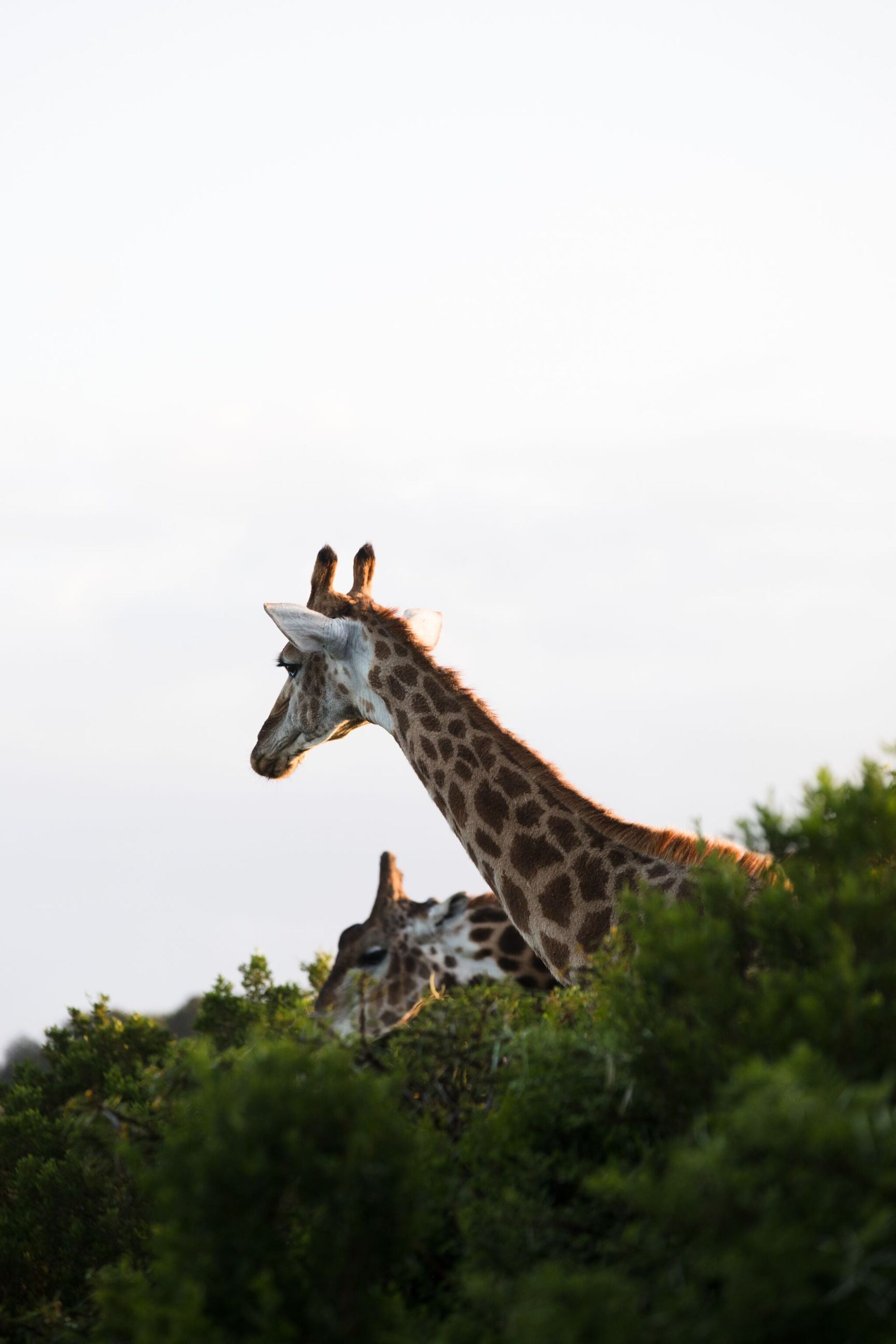
Types of Giraffe in Kenya: A Spot-the-Difference Safari Guide
Nine feet of neck. Legs longer than most people's entire body. A tongue that can clean its own ears. Giraffes look like they were designed by committee, and somehow it worked. But here's the fact that surprises most first-time visitors: Kenya isn't home to "a giraffe." Kenya is home to three distinct giraffe species, each with its own coat pattern, its own postcode, and its own personality quirks. No other country on Earth can say that.
So if you've ever squinted at a giraffe on safari and thought "that one looks different from the one we saw yesterday," you weren't imagining things. You were doing actual giraffe taxonomy without realizing it. Let's make you official.
The Maasai Giraffe: Kenya's Tallest Diva
If giraffes held auditions for "most giraffe-looking giraffe," the Maasai giraffe would win, walk off stage, and refuse to share the trophy. This is the largest giraffe species on the planet, the one responsible for giraffes holding the title of tallest land mammal in the world. Males can develop a noticeable bump on the forehead that makes them look permanently unimpressed by everything, which, frankly, is a mood.
Their coat is covered in jagged, irregular blotches that look like oak leaves or a jigsaw puzzle assembled by someone in a hurry, and the pattern runs all the way down to the hooves. You'll find Maasai giraffes across central and southern Kenya, including Nairobi National Park (yes, giraffes with a skyline backdrop), Amboseli, the Maasai Mara, and both Tsavo parks. They're also, unfortunately, the most vulnerable of Kenya's giraffes, with populations down significantly since the 1970s, so every sighting is worth appreciating.
The Reticulated Giraffe: The One That Looks Photoshopped
This is the giraffe Instagram was invented for. The reticulated giraffe wears bold, liver-colored polygon patches outlined in crisp white lines, like someone took a giraffe and ran it through a stained-glass filter. The word "reticulated" literally means net-like, and once you've seen one in person, you'll understand why nobody could think of a better name.
These giraffes stick to northern Kenya, particularly Samburu, Buffalo Springs, Shaba, and the Laikipia conservancies, which is exactly why a northern circuit safari is worth adding to your Kenya itinerary if you want the full giraffe hat-trick. Kenya holds the healthiest reticulated giraffe populations anywhere, so this is genuinely one of the best places on the continent to see them thriving.
The Rothschild's Giraffe (Now Filed Under Nubian Giraffe): The Comeback Story
This one comes with a plot twist. For decades everyone knew this giraffe as the Rothschild's giraffe, named after Walter Rothschild and sometimes called the Baringo giraffe after Kenya's Lake Baringo region. Recent genetic research reclassified it as an ecotype of the Nubian giraffe, so you may see both names used interchangeably, and both are correct.
Whatever you call it, this giraffe is the palest of Kenya's three, with large rectangular patches in a lighter chestnut-brown, cream connecting lines, and one dead giveaway: no markings below the knee. It genuinely looks like it's wearing white socks. This is also Kenya's rarest and most intensively protected giraffe, thanks largely to breeding and reintroduction work at Nairobi's Giraffe Centre and populations at Lake Nakuru National Park. If you want to see one up close (sometimes closer than you'd expect, ears included), the Giraffe Centre is the easiest stop on any Nairobi day itinerary.
How to Tell Them Apart in Five Seconds
Look at the legs. Reticulated giraffes have crisp white netting all the way down. Maasai giraffes have jagged spots that continue to the hooves. Rothschild's/Nubian giraffes have plain white "socks" with no markings at all below the knee. Once you know that one rule, you can identify any giraffe in Kenya from the back seat of a safari vehicle without breaking a sweat.
www.sublimesafaris.com
Share This Story
