The Ultimate Kenya Safari Guide: Everything You Need to Know Before You Go
Planning a Kenya safari? Discover the best parks, ideal travel seasons, wildlife highlights, and insider tips for an unforgettable safari experience in Kenya.
Kenya is one of the world's premier safari destinations — and for good reason. From the sweeping plains of the Maasai Mara to the snow-capped backdrop of Amboseli, a Kenya safari offers encounters with wildlife that few places on earth can match. Whether you're a first-time visitor or a returning explorer, this guide covers everything you need to plan the perfect trip.
Why Choose Kenya for Your Safari?
Kenya sits at the heart of East Africa's wildlife circuit and is home to the iconic Big Five — lion, leopard, elephant, buffalo, and rhino. Beyond the animals, Kenya offers dramatic landscapes, rich Maasai culture, and world-class safari camps that cater to every budget.
Few wildlife spectacles rival Kenya's Great Wildebeest Migration, when over 1.5 million wildebeest thunder across the Serengeti-Mara ecosystem between July and October. Witnessing a river crossing is a bucket-list moment that draws visitors from across the globe.
Best Safari Parks and Reserves in Kenya
Maasai Mara National Reserve
Kenya's most famous reserve is unmatched for big cat sightings and the annual migration. The open savannah makes for excellent game viewing year-round, with lions, cheetahs, and leopards regularly spotted.
Amboseli National Park
Set against the stunning backdrop of Mount Kilimanjaro, Amboseli is renowned for its large elephant herds and sweeping views. Photographers especially love the dramatic scenery here.
Tsavo East & West
Together forming one of the world's largest national parks, Tsavo offers a more rugged, off-the-beaten-path experience. Known for its red elephants, diverse birdlife, and vast wilderness.
Samburu National Reserve
Located in northern Kenya, Samburu is home to unique wildlife species rarely found elsewhere — the Grevy's zebra, reticulated giraffe, Somali ostrich, and Beisa oryx.
Lake Nakuru National Park
Famous for its flamingo-lined shores and one of Kenya's best destinations for rhino sightings, both black and white.
Best Time to Visit Kenya for a Safari
Kenya offers great game viewing year-round, but two dry seasons are considered peak:
- July – October: The best time to witness the Great Migration and enjoy dry, sunny weather across most parks.
- January – March: A quieter, more affordable season with excellent wildlife sightings and fewer crowds.
The long rains (April–June) and short rains (November) bring lush green landscapes, lower prices, and migratory birds — ideal for budget-conscious and photography-focused travelers.
What Wildlife Can You See on a Kenya Safari?
Kenya's biodiversity is extraordinary. On a typical safari you can expect to encounter:
- The Big Five: Lion, leopard, elephant, Cape buffalo, rhino
- Big cats: Cheetah, serval
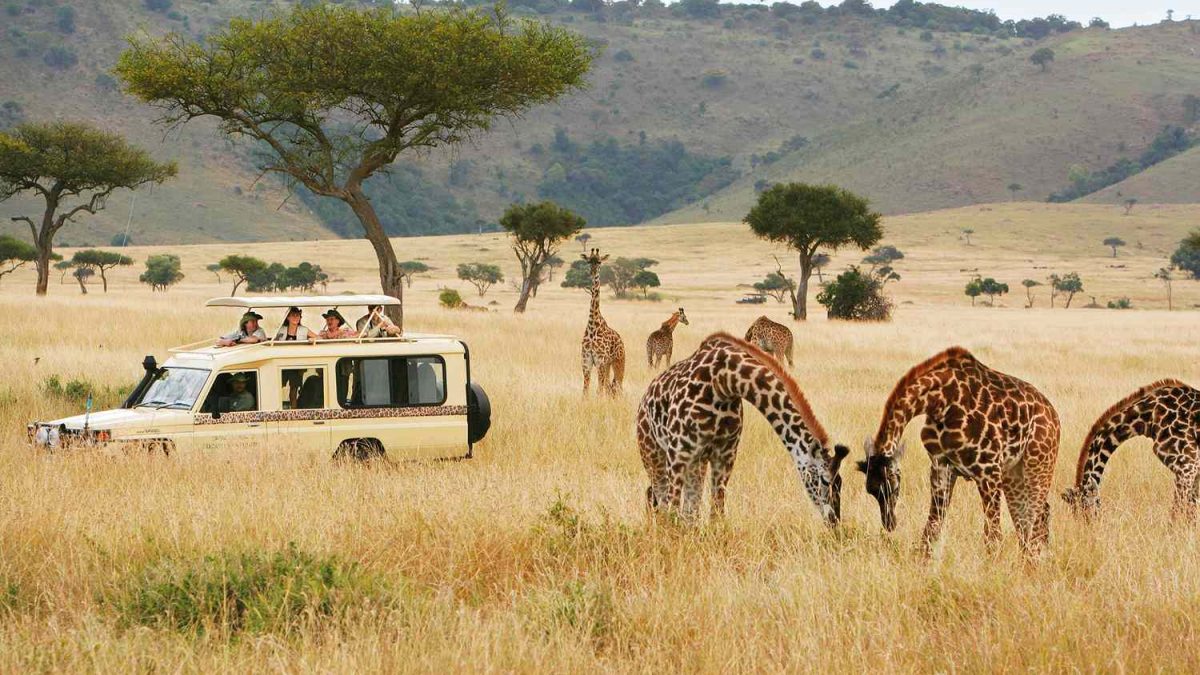
- Herbivores: Giraffe, zebra, wildebeest, hippo, impala, eland
- Birdlife: Over 1,000 species including flamingos, fish eagles, and lilac-breasted rollers
Types of Kenya Safaris
Game Drives are the most popular way to explore Kenya's parks, typically done in 4x4 safari vehicles at dawn and dusk when animals are most active.
Walking Safaris offer a more intimate experience with a trained guide, ideal in conservancies outside the main parks.
Hot Air Balloon Safaris over the Maasai Mara provide a breathtaking bird's-eye view of the savannah and are especially magical during the migration.
Cultural Experiences with Maasai communities give visitors insight into traditional customs, dress, and ways of life alongside the wildlife experience.
Safari Tips for First-Time Visitors
- Pack neutral colors — khaki, olive, and brown blend into the environment and avoid disturbing animals.
- Start early — the best game viewing happens in the first two hours after sunrise.
- Respect the wildlife — stay in the vehicle, keep noise low, and follow your guide's instructions.
- Book in advance — peak season camps fill up months ahead, especially July to October.
- Stay hydrated — Kenya's sun is intense; carry water on every game drive.
How Long Should a Kenya Safari Be?
A minimum of 5–7 days allows you to explore two or three parks comfortably. A 10–14 day itinerary lets you combine the Mara, Amboseli, and the coast for a full Kenya experience. We offer customized itineraries for every length of stay.
Ready to Plan Your Kenya Safari?
A Kenya safari is more than a holiday — it's a life-changing experience. Whether you're dreaming of watching the Great Migration, photographing elephants against Kilimanjaro, or simply sitting around a campfire under a sky full of stars, Kenya delivers.
Get in touch with our team today to start planning your personalized safari itinerary. We handle everything from park permits and accommodation to transfers and guides — so all you have to do is show up and explore.
To book your kenyan safari contact us via:
sublimetravellimet@gmail.com
www,sublimesafaris.com
Share This Story
