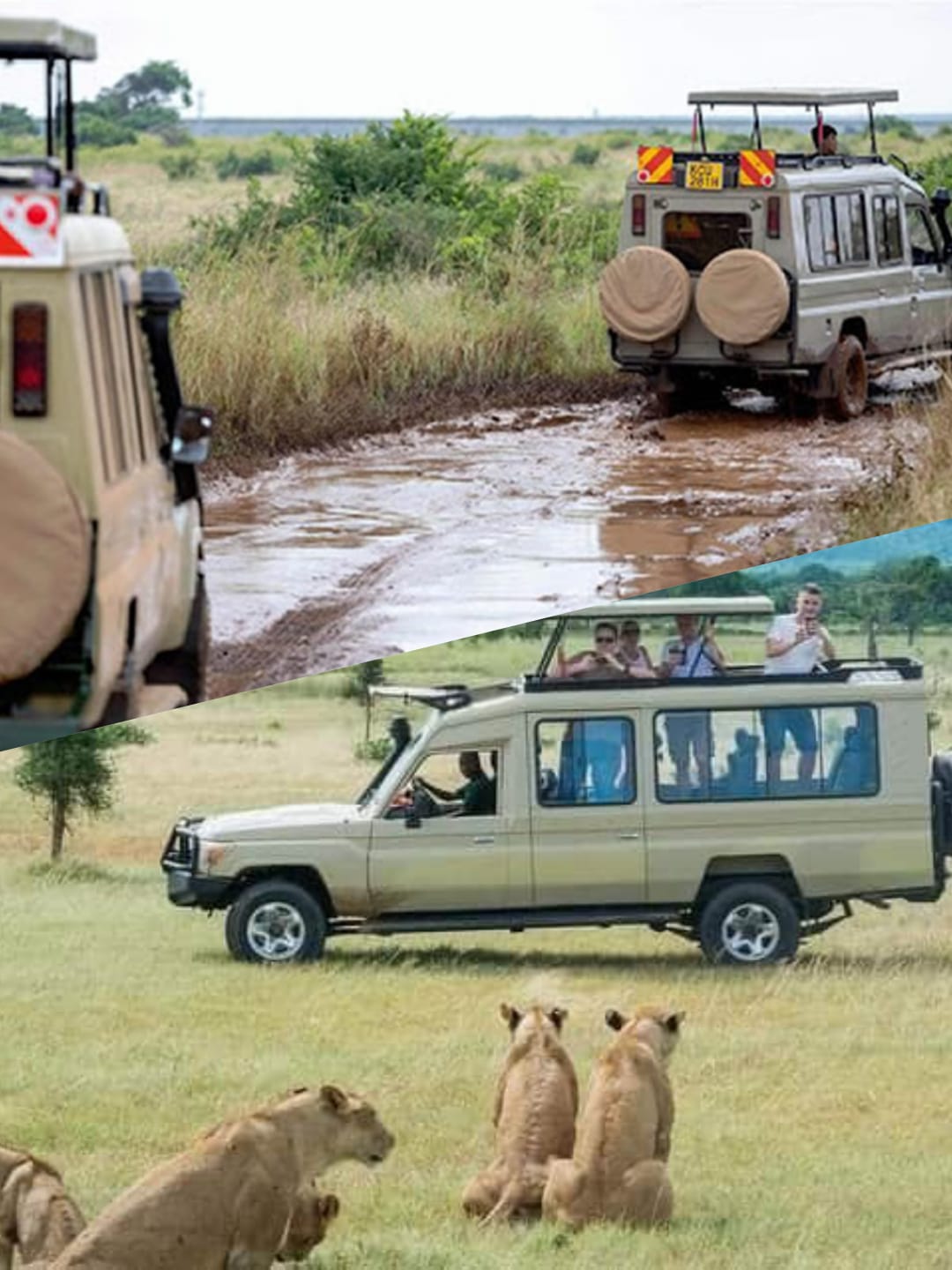
Should You Go on Safari During Dry or Wet Season?
Planning a safari in Kenya and wondering whether to travel during the dry season or wet season? The timing of your trip can shape everything—from wildlife sightings to pricing and photography conditions.
Whether you're organizing your journey independently or with Sublime Travel, understanding Kenya’s seasonal patterns will help you choose the perfect safari experience.
🌞 Dry Season in Kenya (June–October)
Best for: Wildlife viewing, Great Migration river crossings, first-time safari travelers
The dry season is widely considered the best time to visit Kenya for safari.
Why the Dry Season Is So Popular
🐘 Easier Wildlife Spotting
As water sources shrink, animals gather around rivers and watering holes. Grass is shorter and vegetation is thinner, making it easier to see lions, elephants, leopards, and rhinos.
In iconic destinations like Maasai Mara National Reserve and Amboseli National Park, wildlife sightings are often spectacular during these months.
🐃 The Great Migration (July–October)
One of Africa’s greatest wildlife spectacles happens when wildebeest and zebra cross into the Maasai Mara from Serengeti National Park. The dramatic river crossings are unforgettable and attract travelers from around the world.
If seeing the Great Migration is on your bucket list, the dry season is the ideal time to book with specialists like Sublime Travel, as camps fill quickly.
☀️ Ideal Safari Weather
-
Warm, sunny days
-
Cool mornings and evenings
-
Minimal rainfall
-
Lower humidity
🦟 Fewer Mosquitoes
With less standing water, mosquito levels tend to decrease compared to the rainy months.
Downsides of the Dry Season
-
Peak travel season means higher lodge rates
-
Popular sightings may attract more vehicles
-
Advance booking is essential
For first-time safari-goers, however, the dry season remains the safest bet for maximum wildlife viewing.
🌿 Wet Season in Kenya (November–May)
Best for: Fewer crowds, lower prices, baby animals, photography, birdwatching
Kenya experiences:
-
Short rains: November–December
-
Long rains: March–May
Often called the “green season,” this period transforms the landscape.
Why Consider a Wet Season Safari?
🌱 Lush, Vibrant Landscapes
The savannah turns bright green, skies become dramatic, and sunsets are breathtaking. Parks like Lake Nakuru National Park become especially scenic.
For photographers traveling with Sublime Travel, this season offers rich colors and softer light conditions.
🐣 Baby Animals
Many species give birth during or just after the rains when food is abundant. You may witness newborn antelope, zebra foals, and even predator cubs.
🐦 Peak Birdwatching
Migratory birds arrive from Europe and Asia, making this one of the best times for bird enthusiasts.
💰 Lower Safari Costs
-
Reduced lodge rates
-
Special seasonal offers
-
Fewer tourists
-
Greater flexibility with bookings
This makes the wet season ideal for travelers seeking a more exclusive and budget-friendly experience.
Wet Season Trade-Offs
-
Wildlife is more dispersed due to plentiful water
-
Tall grass can make animals harder to spot
-
Some remote roads may become muddy
However, rainfall typically comes in short afternoon showers rather than continuous all-day storms.
So, When Is the Best Time for a Safari in Kenya?
Choose the dry season (June–October) if you want:
-
The best wildlife visibility
-
Great Migration river crossings
-
Predictable weather
-
A classic safari experience
Choose the wet season (November–May) if you want:
-
Fewer crowds
-
Lower travel costs
-
Lush green scenery
-
Exceptional birdwatching and baby animals
Final Verdict: Kenya Is Incredible Year-Round
There’s no wrong time to visit Kenya—it simply depends on your priorities.
If your goal is dramatic wildlife encounters and iconic migration scenes, travel during the dry season. If you prefer peaceful landscapes, vibrant photography, and better value, the wet season offers a different kind of magic.
Share This Story
