Serengeti National Park: The Complete Guide to Africa's Wildest Stage
Somewhere in northern Tanzania, there is a stretch of land so relentlessly dramatic that David Attenborough has probably narrated it in his sleep. Welcome to the Serengeti, a place where the wildebeest do not simply migrate, they commit to it with the enthusiasm of people running toward a buffet, except the buffet is a crocodile infested river and roughly a quarter of them do not make it back for seconds.
If you have ever wondered what the word "wild" actually means, the Serengeti will show you, loudly, and usually before breakfast.
Where Exactly Is the Serengeti, and Why Does Everyone Keep Talking About It
The Serengeti National Park sprawls across roughly 14,750 square kilometers of northern Tanzania, bordering Kenya's Maasai Mara to the north. Together, these two ecosystems form one continuous stage for the greatest wildlife show on Earth, though the animals never seem to check which country they are performing in.
The name itself comes from the Maasai word "siringet," meaning "the place where the land runs forever." Whoever named it clearly stood at the edge of those endless golden plains and thought, yes, that about covers it, no further questions.
The Great Migration: Nature's Most Chaotic Group Chat
You cannot mention the Serengeti without mentioning the Great Migration, because frankly the Serengeti will not let you. Every year, over two million wildebeest, zebras, and gazelles move in a massive, dust choked circuit across the plains in search of fresh grass, guided by instinct, weather patterns, and what can only be described as extremely poor group decision making.
The river crossings, particularly at the Mara and Grumeti rivers, are the migration's headline event. Thousands of wildebeest gather at the water's edge, working up the courage to jump in, while crocodiles the size of canoes wait below with the patience of someone who has done this before and knows exactly how it ends.
Timing your visit around the migration takes some planning, since the herds move in a rough clockwise loop through the year, but that unpredictability is exactly what makes it thrilling. Nobody, not even the wildebeest, seems entirely sure what happens next.
The Big Five, Present and Accounted For
The Serengeti is one of the few places on the planet where you can realistically expect to see all of the Big Five in a single trip.
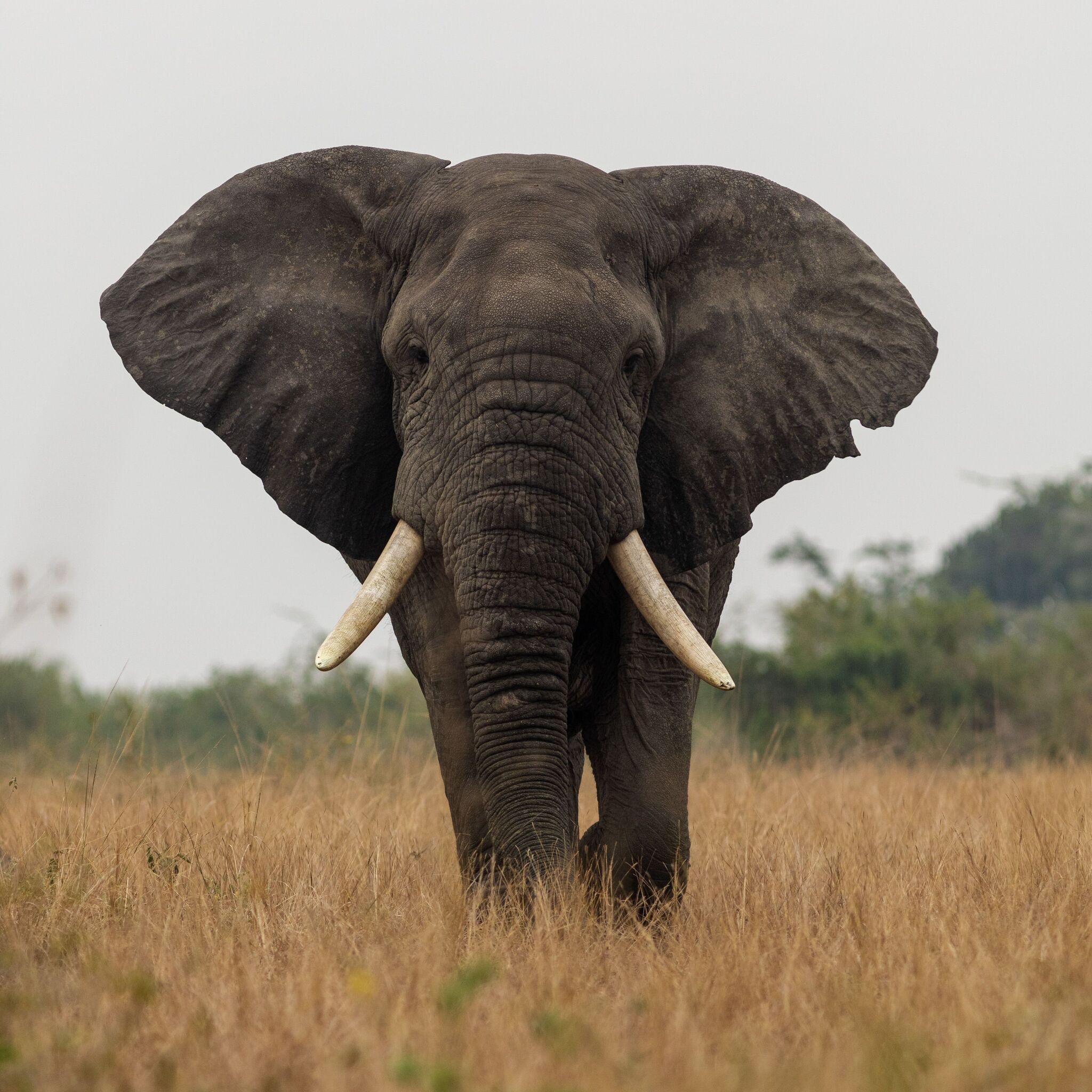
Lions rule the plains here in genuinely absurd numbers, lounging across rocky kopjes like they personally invented relaxation. Leopards prefer a more private lifestyle, draped elegantly across acacia branches, occasionally dangling a half eaten gazelle like a very macabre chandelier. Elephants move through in unbothered family herds, buffalo gather in grumpy looking committees, and rhinos, while rare, do still make the occasional cameo in the park's more remote corners.
Best Time to Visit the Serengeti
Timing matters more here than almost anywhere else in East Africa, mostly because of that migration.
The dry season, from June to October, is peak safari season, with excellent game viewing and the dramatic river crossings typically happening around July through September. The calving season, from January to March, brings hundreds of thousands of wildebeest calves onto the southern plains, along with the predators who have circled the date on their calendars in red.
The green season, from November to May, is quieter, cheaper, and surprisingly beautiful, with dramatic skies and fewer vehicles, though some roads can get muddy enough to test your driver's vocabulary.
Where to Stay
Accommodation in the Serengeti ranges from classic tented camps that put you close enough to hear the lions negotiating territory at night, to luxury lodges with infinity pools that make you forget you are technically in the middle of the wilderness. Central Serengeti (Seronera) offers reliable year round game viewing, the Northern Serengeti puts you closest to the famous river crossings, and the Southern Serengeti is calving season central.
Getting There
Most travelers fly into Kilimanjaro International Airport or Arusha, then connect via a short scenic flight directly into the Serengeti, or combine it with an overland safari route through the Ngorongoro Crater, which sits conveniently along the way and is dramatic enough to deserve its own paragraph, if not its own park.
Final Thoughts
The Serengeti does not do subtlety. It is loud, sprawling, occasionally brutal, and endlessly alive, the kind of place that makes every other landscape look like it is trying just a little too hard to compete. Whether you come for the migration, the Big Five, or simply the sheer scale of it all, the Serengeti has a way of making you feel very small and very lucky at the same time.
www.sublimesafaris.com
Share This Story
