Mount Kenya Hiking Guide 2026: Routes, Itinerary, Tips & Point Lenana Summit
Planning to hike Mount Kenya? This in-depth guide covers the best routes, when to go, difficulty level, altitude tips, permits, packing essentials, wildlife, and a detailed itinerary — everything you need to prepare for a successful Mount Kenya trekking adventure.
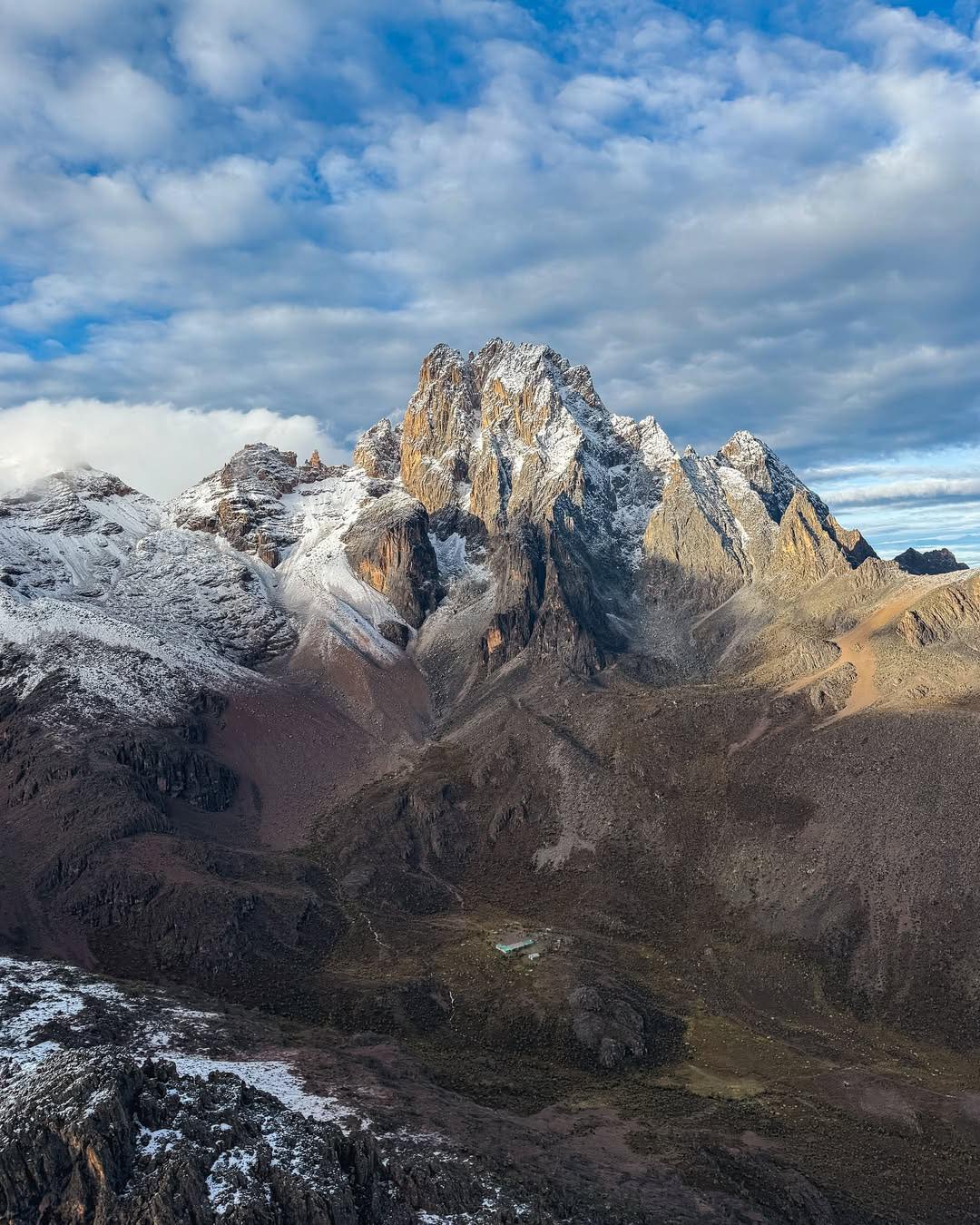
Mount Kenya is Africa’s second-highest mountain at 5,199 meters and one of the most spectacular trekking destinations in East Africa. Located in central Kenya, it offers dramatic alpine scenery, glaciers, wildlife, and fewer crowds compared to Mount Kilimanjaro.
Why Hike Mount Kenya?
Hiking Mount Kenya is ideal for travelers who want:
-
A less crowded alternative to Kilimanjaro
-
Stunning alpine lakes and jagged peaks
-
Diverse vegetation zones in one trek
-
A challenging but achievable high-altitude summit
-
A combination of safari and mountain adventure
The mountain lies within Mount Kenya National Park, a UNESCO World Heritage Site known for its ecological diversity.
Mount Kenya Peaks Explained
Mount Kenya has three main peaks:
-
Batian (5,199m) – Technical rock climb (for experienced climbers only)
-
Nelion (5,188m) – Technical climb requiring ropes and mountaineering skills
-
Point Lenana (4,985m) – Trekking peak (most popular for hikers)
Most trekkers aim for Point Lenana, which does not require technical climbing but demands good physical fitness and altitude acclimatization.
Best Mount Kenya Hiking Routes
Choosing the right route is key for acclimatization and enjoyment.
1️⃣ Sirimon Route (Best for First-Time Hikers)
-
Gradual ascent profile
-
Excellent acclimatization
-
Scenic valleys and unique rock formations
-
Ideal for 4–5 day itineraries
2️⃣ Chogoria Route (Most Scenic Route)
-
Stunning views of Lake Michaelson
-
Waterfalls and dramatic gorges
-
Longer and slightly more remote
-
Perfect for photographers and experienced hikers
3️⃣ Naro Moru Route (Shortest & Steepest)
-
Fastest route to Point Lenana
-
Steeper ascent
-
Known for the “Vertical Bog” section
-
Best for experienced hikers with limited time
💡 Many hikers ascend via Sirimon and descend via Naro Moru or Chogoria for a varied experience.
Best Time to Hike Mount Kenya
The best months for Mount Kenya trekking are:
-
January to March
-
July to October
These dry seasons offer clearer skies, better summit visibility, and safer trail conditions.
Avoid April–June and November due to heavy rainfall and muddy trails.
Mount Kenya Hiking Difficulty
Mount Kenya is considered moderate to challenging depending on:
-
Route chosen
-
Number of trekking days
-
Physical fitness level
-
Altitude acclimatization
While no technical climbing is required for Point Lenana, summit day involves hiking in freezing temperatures and steep scree slopes.
Proper preparation significantly increases your success rate.
Altitude & Acclimatization Tips
Altitude sickness can affect anyone above 2,500 meters.
Common symptoms include:
-
Headache
-
Nausea
-
Dizziness
-
Fatigue
To minimize risk:
-
Choose a 4–5 day itinerary
-
Walk slowly (“pole pole”)
-
Stay hydrated
-
Avoid alcohol before and during the hike
-
Inform your guide immediately if symptoms worsen
Acclimatization is the most important factor for summit success.
Wildlife on Mount Kenya
Unlike many mountains, Mount Kenya offers wildlife sightings during the lower elevations. You may encounter:
-
Buffalo
-
Colobus monkeys
-
Rock hyrax
-
Giant forest hog
-
Various bird species
The lower forest zone is particularly rich in biodiversity.
What to Pack for Mount Kenya Hiking
Temperatures vary drastically from tropical forest to freezing summit conditions.
Essential items include:
-
Warm thermal layers
-
Down jacket
-
Waterproof outer shell
-
High-quality hiking boots
-
Warm gloves and hat
-
Sleeping bag rated for sub-zero temperatures
-
Headlamp for summit night
-
Sunscreen & UV sunglasses
-
Trekking poles
Layering is crucial, as temperatures can drop below -5°C near the summit.
Do You Need a Guide for Mount Kenya?
Yes. Hiking within Mount Kenya National Park requires a registered guide.
Guides ensure:
-
Safety and navigation
-
Proper acclimatization pacing
-
Emergency response support
-
Knowledge of weather patterns and wildlife
Porters and cooks are commonly included in organized treks, making the experience more comfortable.
Sample 4-Day Mount Kenya Itinerary (Sirimon Route)
Day 1: Nairobi → Sirimon Gate → Old Moses Camp
Day 2: Old Moses → Shipton’s Camp
Day 3: Summit Point Lenana at sunrise → Mackinder’s Camp
Day 4: Descend via Naro Moru Gate
This route allows gradual altitude gain and maximizes summit success.
Mount Kenya vs Kilimanjaro
Many hikers compare Mount Kenya with Kilimanjaro.
Mount Kenya:
-
Less crowded
-
More varied landscapes
-
More technical climbing options
-
More wildlife encounters
Kilimanjaro:
-
Higher altitude
-
Non-technical trekking peak
-
Larger international trekking traffic
If you're visiting Kenya for a safari in Maasai Mara, combining it with Mount Kenya creates a perfect adventure itinerary.
Frequently Asked Questions
How long does it take to hike Mount Kenya?
Most trekkers take 4–5 days for proper acclimatization.
Can beginners hike Mount Kenya?
Yes, with good fitness and a longer itinerary.
Is Mount Kenya safe?
Yes, when hiking with certified guides and proper preparation.
Is Mount Kenya worth it?
Absolutely. It offers one of Africa’s most diverse and rewarding trekking experiences.
Final Thoughts
Hiking Mount Kenya is one of the most underrated adventures in Africa. From lush rainforest to alpine desert and glacial peaks, the mountain offers unmatched diversity in just a few days.
With proper preparation, the right route, and experienced guides, summiting Point Lenana is an unforgettable achievement.
Share This Story
