Kenya Safari Visa, Vaccines & Entry Requirements Explained
Planning a safari in Kenya is exciting, but understanding the visa requirements, recommended vaccines, and entry rules is essential before you travel. This complete guide explains everything you need to know to enter Kenya smoothly and confidently for your safari adventure.
Whether you’re visiting Maasai Mara, Amboseli, Samburu, Tsavo, or Lake Nakuru, here’s what international travelers should know before arriving in Kenya.
Kenya Visa Requirements for Safari Travelers
Most international travelers require a Kenya tourist visa to enter the country. Kenya uses an electronic visa (eVisa) system, making the process fast and convenient.
Who Needs a Visa to Enter Kenya?
Travelers from most countries—including the USA, UK, EU, Canada, Australia, and Asia—require a visa. Some African and Caribbean nationals are visa-exempt.
Kenya Visa Options
-
Single Entry Tourist Visa – Ideal for safari holidays
-
Transit Visa – For short stopovers
-
East Africa Tourist Visa – Allows travel between Kenya, Tanzania, Uganda, and Rwanda
The East Africa Tourist Visa is perfect for travelers combining a Kenya safari with other East African destinations.
How to Apply for a Kenya eVisa
Applying for a Kenya tourist visa is straightforward:
-
Apply online through Kenya’s official eVisa system
-
Upload a passport photo and passport bio-data page
-
Pay the visa fee online
-
Receive approval by email
It’s recommended to apply 1–2 weeks before travel.
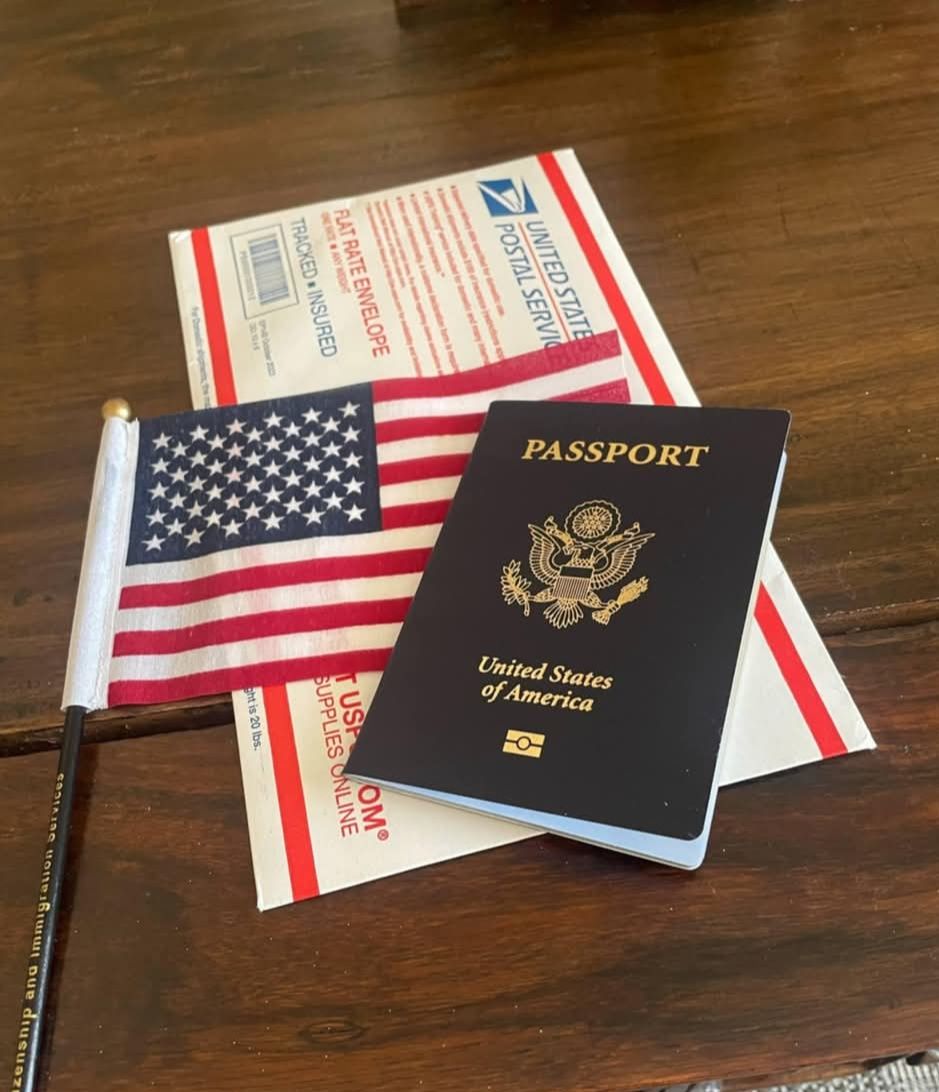
Passport Requirements for Kenya Safari Travel
Your passport must:
-
Be valid for at least 6 months from your arrival date
-
Have at least one blank page for entry stamps
Kenya Vaccines & Health Requirements
Mandatory Vaccines
-
Yellow Fever vaccination is required only if you are arriving from or transiting through a Yellow Fever–risk country.
Travelers may be asked to present an International Certificate of Vaccination at immigration.
Recommended Vaccines for Kenya Safari Travel
Health professionals commonly recommend:
-
Hepatitis A
-
Hepatitis B
-
Typhoid
-
Tetanus
-
Polio (booster)
-
Measles (MMR)
Malaria Prevention for Safari Travelers
Kenya is a malaria-risk destination, particularly in safari regions. Travelers are advised to:
-
Take anti-malarial medication (after consulting a doctor)
-
Use insect repellent
-
Wear long sleeves in the evening
Kenya Customs & Entry Rules
What You Can Bring into Kenya
-
Personal items for safari travel
-
Cameras and photography equipment
-
Personal medication (with prescriptions if necessary)
⚠️ Drones require special permits before entry into Kenya.
Restricted & Prohibited Items
-
Single-use plastic bags (banned in Kenya)
-
Firearms or weapons without official permits
-
Certain plant products and food items
Immigration & Arrival Tips
-
Carry printed copies of your eVisa approval
-
Have proof of return or onward travel
-
Be ready to show your safari itinerary or accommodation details
-
Declare large sums of cash if applicable
Final Tips for a Smooth Kenya Safari Entry
-
Apply for your visa early
-
Carry vaccination certificates if required
-
Keep both digital and printed copies of travel documents
-
Book with a reputable local safari operator for on-ground support
Travel to Kenya with Confidence
Understanding Kenya’s visa, vaccine, and entry requirements helps ensure a stress-free safari experience. With proper preparation, your journey into Kenya’s world-famous wildlife destinations will be seamless from arrival to adventure.
👉 Book your Kenya safari with Sublime Travel and enjoy expert local guidance every step of the way.
Share This Story
