Kenya Safari During the Green Season: Pros and Cons
A Kenya safari during the green season is one of the most underrated ways to experience the beauty of Kenya. While many travelers choose the dry season for wildlife viewing, the green season offers its own unique advantages, including lush landscapes, fewer crowds, lower safari prices, and excellent photography opportunities.
If you are searching for the best time for a Kenya safari, understanding the green season can help you decide whether it is the right option for your travel style and budget.
What Is the Green Season in Kenya?
The green season in Kenya usually refers to the months when rainfall transforms the country’s grasslands and savannahs into vibrant green landscapes. This period often includes:
- March to May – Long rains
- November to early December – Short rains
Rainfall patterns can vary slightly depending on the region, but these months are known for dramatic skies, fresh scenery, and quieter safari experiences.
Pros of a Kenya Safari During the Green Season
1. Stunning Green Landscapes and Beautiful Scenery
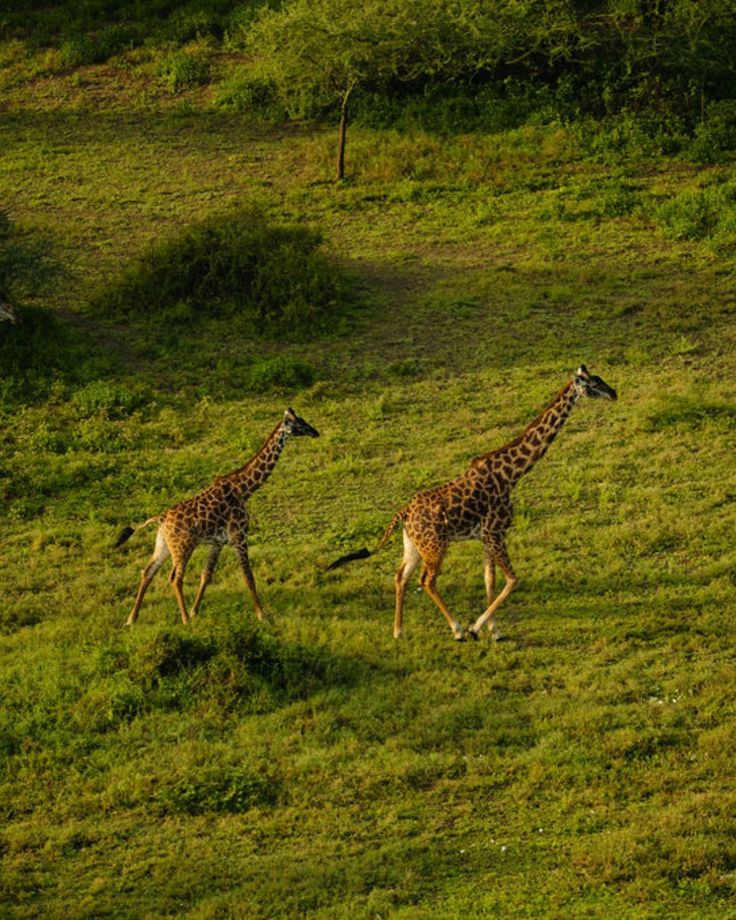
One of the biggest reasons travelers love the green season is the transformation of Kenya’s wildlife parks into lush, colorful environments. Areas such as Maasai Mara National Reserve, Amboseli National Park, and Samburu National Reserve become incredibly scenic.
This is an excellent time for:
- Nature lovers
- Landscape photographers
- Travelers seeking dramatic safari views
2. Fewer Crowds and More Exclusive Game Drives
Unlike peak safari months, the green season attracts fewer tourists. This means travelers often enjoy:
- Less crowded lodges and camps
- More peaceful safari experiences
- Better wildlife sightings without many vehicles nearby
- Personalized service from lodges and guides
For many visitors, this creates a more authentic and relaxing safari atmosphere.
3. Lower Safari Prices and Better Deals
Many lodges, camps, and safari operators offer discounted rates during the green season. This makes it one of the best times for:
- Affordable Kenya safaris
- Luxury safaris at reduced prices
- Longer safari itineraries for the same budget
Travelers looking for value often find the green season ideal.
4. Excellent Birdwatching Season
The green season is one of the best times for birdwatching in Kenya. Migratory birds arrive from Europe and Asia, while resident species display colorful breeding plumage.
Top birding destinations include:
- Lake Naivasha
- Lake Nakuru National Park
- Amboseli National Park
Bird enthusiasts can spot hundreds of species during this time.
5. Baby Animals and Predator Activity
Rainy months often bring new life to the savannah. Many herbivores give birth during or after rainy periods, meaning travelers may see:
- Baby zebras
- Wildebeest calves
- Young gazelles and antelope
This can also attract predators such as lions, cheetahs, and hyenas, creating exciting wildlife moments.
Cons of a Kenya Safari During the Green Season
1. Rain Showers and Weather Changes
Rainfall is the main challenge during the green season. Some days may include showers, especially in the afternoon or evening. However, rain rarely lasts all day.
2. Muddy Roads in Some Areas
After heavy rain, some remote park roads can become muddy or slippery. This may slow travel times, especially on road safaris. Booking with experienced operators using proper 4x4 safari vehicles is highly recommended.
3. Wildlife Can Be More Spread Out
Because water sources are more available during the rainy season, animals may not gather around rivers and waterholes as predictably as in the dry season. Wildlife viewing can still be excellent, but sightings may require more tracking.
4. Possible Flight Delays
For travelers choosing fly-in safaris, occasional rain or low visibility may cause short delays on small aircraft routes.
Best Places to Visit During Kenya’s Green Season
Some destinations perform especially well during the green season:
Maasai Mara National Reserve
Resident wildlife remains excellent year-round, and the green scenery is spectacular.
Amboseli National Park
Large elephant herds, open plains, and fresh post-rain scenery make Amboseli a great choice.
Samburu National Reserve
A drier northern region often less affected by heavy rain, ideal for unique wildlife species.
Lake Naivasha
Excellent birdlife, hippo sightings, and scenic boat safaris.
Is the Green Season the Best Time for a Kenya Safari?
The green season is perfect for travelers who prioritize:
- Lower safari prices
- Fewer crowds
- Green landscapes
- Birdwatching
- Photography
- Peaceful safari experiences
If your main goal is seeing the Great Migration river crossings, the dry season between July and October may be better. However, for value and scenery, many experienced travelers prefer the green season.
Book a Green Season Safari in Kenya
A Kenya safari during the green season can be one of the most rewarding and affordable ways to explore East Africa’s wildlife. With proper planning, travelers enjoy beautiful scenery, memorable wildlife encounters, and excellent rates.
Safari experts such as Sublime Travel Limited can help design customized itineraries based on weather conditions, park access, and your preferred travel style.
Share This Story
